

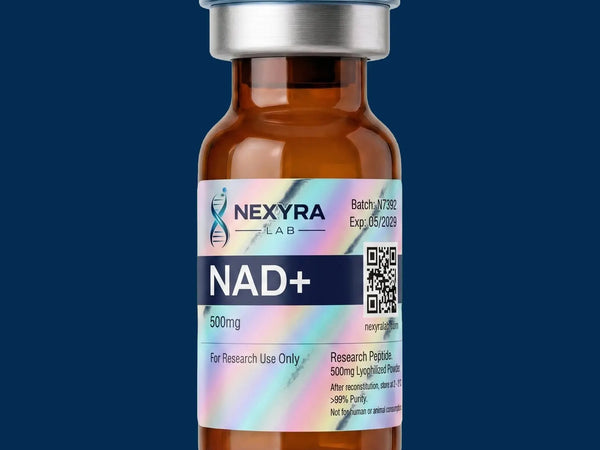
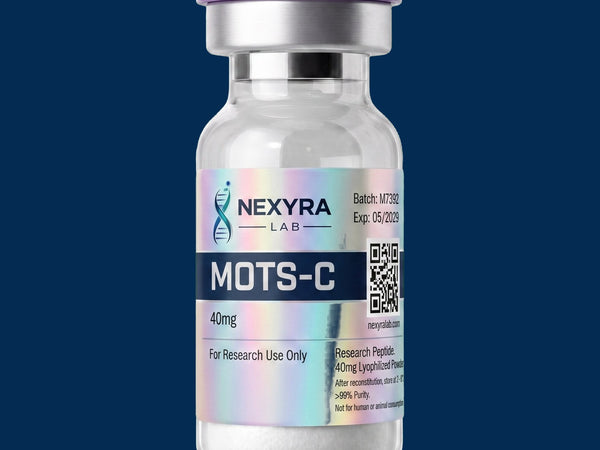
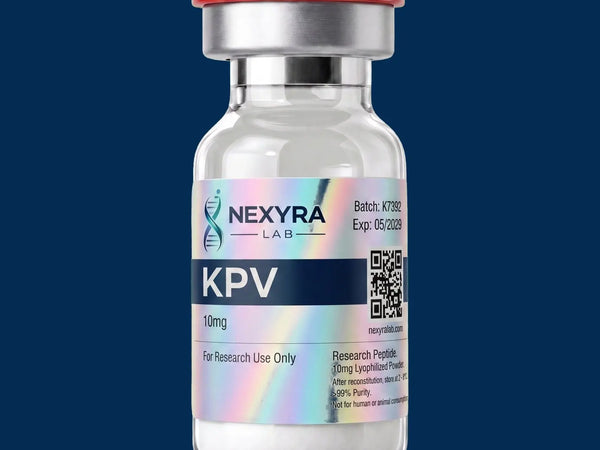
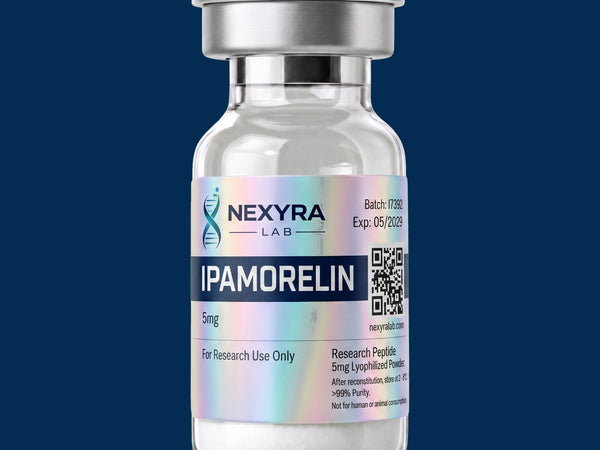
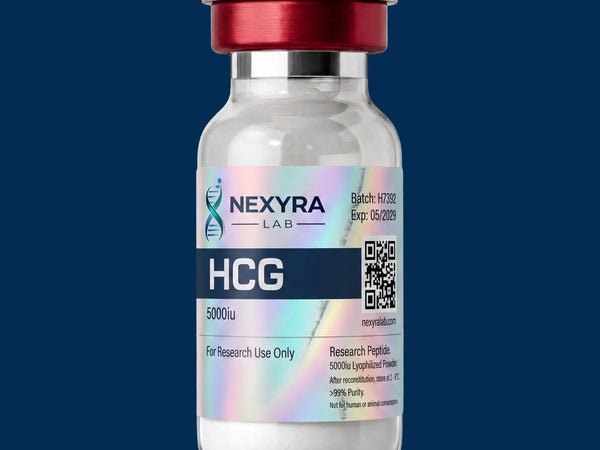
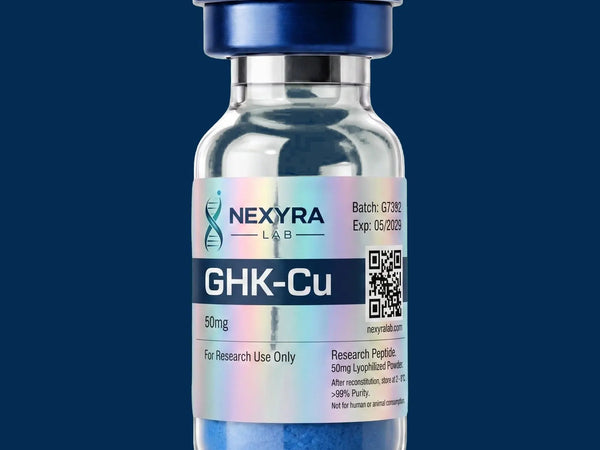
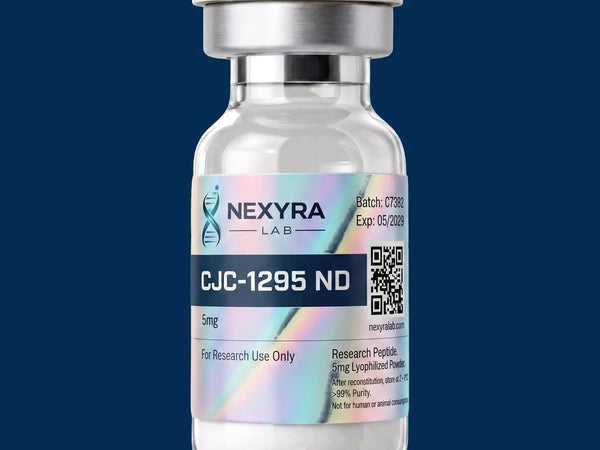
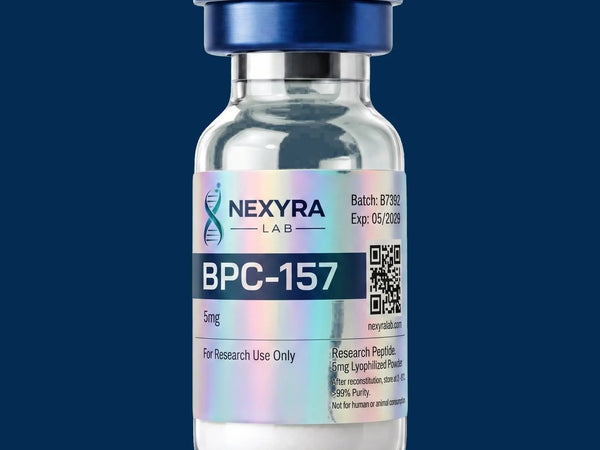




How to Reconstitute Research Peptides: Step-by-Step Guide with Bacteriostatic Water
Here are the main points to remember when you're getting your research peptides ready for use. These tips will help you avoid common mistakes and keep your samples good to go.
Key Takeaways
- Always use bacteriostatic water for reconstituting peptides that you plan to use over multiple sessions.
- Sterile water is only suitable if you'll use the entire vial in one go, right after mixing.
- Gentle swirling is key to dissolving peptides; never shake or agitate them roughly, as this can damage them.
- Store reconstituted peptides in the fridge (2-8°C) to keep them stable for longer, usually up to 4-6 weeks.
- Keep your workspace and equipment clean and sterile to prevent contamination, which can ruin your research.
Understanding Bacteriostatic Water For Peptide Reconstitution
So, you've got your hands on some research peptides, and now you're wondering about the best way to get them ready for your experiments. A big part of that is choosing the right liquid to mix them with. For most research applications, the go-to choice is bacteriostatic water. It's not just any water; it's specifically prepared for this kind of work.
What Constitutes Bacteriostatic Water?
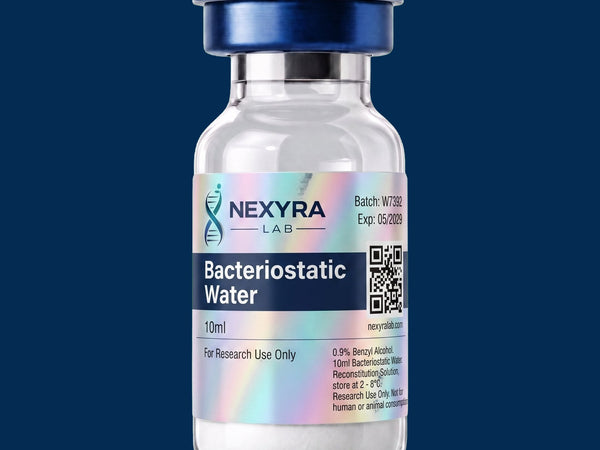
Essentially, bacteriostatic water is sterile water for injection that has a small amount of benzyl alcohol added to it. We're talking about 0.9% benzyl alcohol, to be precise. This isn't a lot, but it's enough to do a job. The benzyl alcohol acts as a preservative, stopping most bacteria and fungi from growing in the water. This makes it suitable for multiple uses from the same vial, which is handy when you're not using up the whole peptide in one go. The formulation is pretty simple: it's mostly Water for Injection (WFI) with that 0.9% benzyl alcohol mixed in.
Why Bacteriostatic Water Is Essential For Research Peptides
When you're working with research peptides, keeping things sterile and stable is key. Lyophilised peptides are sensitive, and you want to maintain their integrity for consistent results. Using bacteriostatic water helps with this because the preservative stops microbes from multiplying after you've accessed the vial. This is particularly important if your research protocol involves multiple sessions or requires you to store the reconstituted peptide for a period. Using bacteriostatic water for peptides ensures a more stable and reliable solution over time compared to using plain sterile water. If you're looking into specific peptides like CJC-1295 No DAC, proper reconstitution is a must for studying its effects proper handling.
Comparing Bacteriostatic Water To Alternative Solvents
People sometimes ask about using other liquids, like sterile water or saline. Plain sterile water is fine if you're going to use the entire vial in one session, but it lacks a preservative. Once you puncture the vial, it's open to contamination. Normal saline (0.9% NaCl) is also sometimes suggested, but it's generally not preferred for most peptide research. The salt content can sometimes affect how well certain peptides dissolve, especially those with charged parts. Bacteriostatic water, with its lower ionic strength, tends to offer more predictable solubility across a wider range of peptide types. It's the standard for a reason.
When sourcing bacteriostatic water, look for specific qualities. It should be Water for Injection (WFI) grade, meaning it's highly purified. The benzyl alcohol concentration should be clearly stated as 0.9%. Reputable suppliers will also provide lot numbers and expiration dates, which are important for lab records and reproducibility.
Here's a quick look at why bacteriostatic water is usually the top pick:
- Preservation: The 0.9% benzyl alcohol prevents microbial growth, allowing for multi-use vials.
- Solubility: It generally provides a more consistent environment for dissolving various peptide sequences.
- Stability: It helps maintain the integrity of the reconstituted peptide over multiple uses and storage periods.
Remember, always check the expiration date on your bacteriostatic water vial before you use it. Using expired water means you can't be sure about its sterility or the preservative's effectiveness bacteriostatic water for injection.
Essential Equipment For Peptide Reconstitution
Getting your equipment ready is a big part of preparing peptide solutions. It's not just about having the right bits and bobs; it's about making sure everything is as clean as possible. This helps stop any nasty contamination from getting into your precious peptide.
Gathering Your Reconstitution Supplies
So, what do you actually need? It’s not a huge list, but each item plays its part. You'll want to have these ready before you even think about opening those vials.
- Lyophilised Peptide Vial: This is your main event, the dry peptide powder.
- Bacteriostatic Water: This is your solvent. It’s sterile water with a tiny bit of benzyl alcohol to stop any bacteria from growing if you use it more than once.
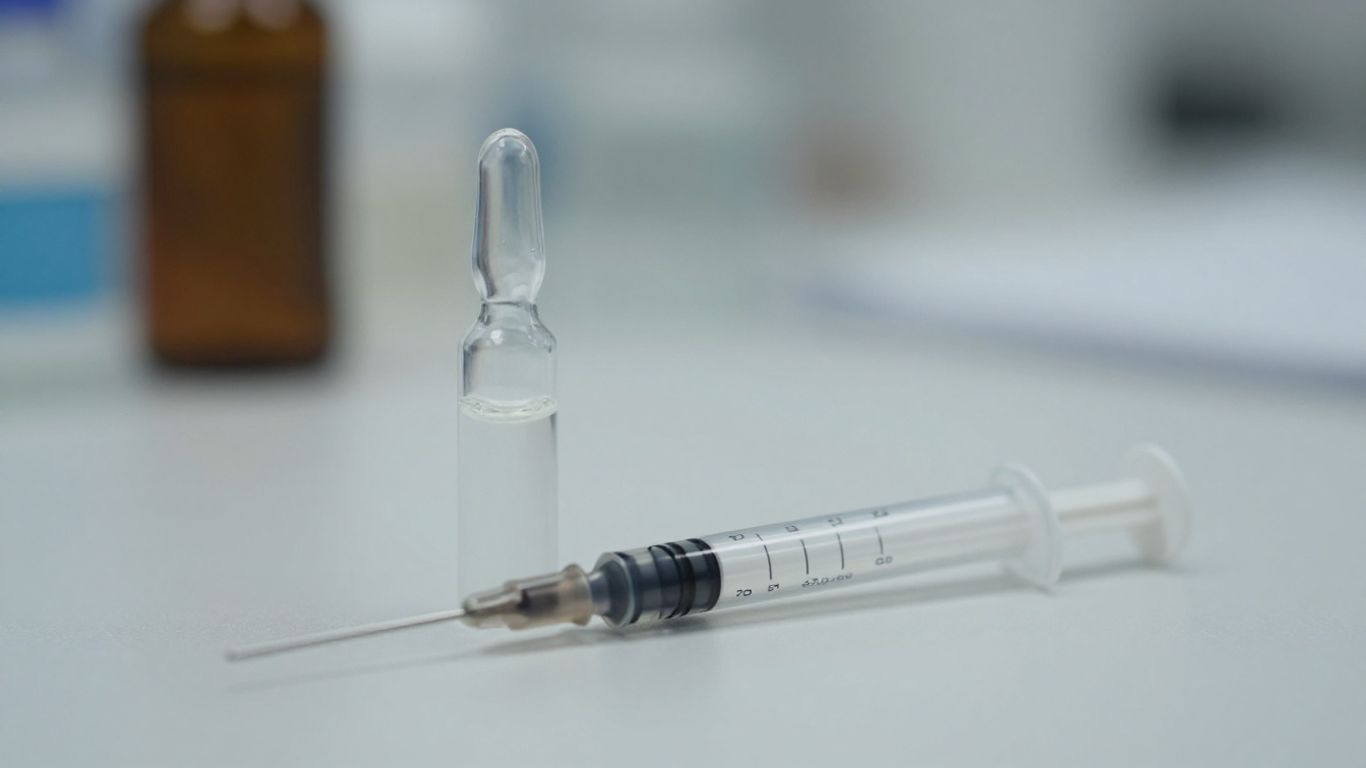
- Insulin Syringe: These are great because they're usually marked in units, making it easy to measure out the exact amount of water you need. A 1ml syringe is pretty standard.
- Alcohol Swabs: For cleaning the tops of the vials. You can't be too careful with sterility.
- Vial Holder (Optional): Sometimes it’s easier to hold the vial steady with one of these, especially if you have shaky hands.
Ensuring Sterility Of Your Equipment
This is where we get serious about cleanliness. The goal is to create a sterile field for preparing your peptide solutions. Think of it like a mini operating theatre for your peptides. You don't want any stray germs crashing the party.
- Clean Your Workspace: Start by wiping down your work surface with a disinfectant. A clean kitchen counter or a dedicated lab bench is ideal.
- Wash Your Hands: Give your hands a good scrub with soap and water. If you have gloves, even better – put them on after washing.
- Prepare Your Supplies: Lay out all your equipment on the clean surface. Don't let anything touch surfaces that aren't clean.
- Swab the Vials: Before you draw any water or add it to the peptide, use an alcohol swab to thoroughly clean the rubber stoppers on both the bacteriostatic water vial and the peptide vial. Let them air dry completely. This step is super important for preventing contamination from the outside of the vial getting inside.
Working with research peptides requires a meticulous approach to sterility. Even a tiny amount of contamination can affect the integrity of your experiments or the stability of the peptide itself. Always err on the side of caution when it comes to cleanliness.
Having the right gear and being super careful about keeping it clean is the first major step in successfully preparing peptide solutions. It sets the stage for the rest of the process and helps make sure your results are reliable.
The Step-By-Step Process To Reconstitute Peptides
Reconstituting lyophilised peptides might sound a bit technical, but it's actually a pretty straightforward process when you break it down. Getting this right is key for your research, as it means the peptide is ready to go and hasn't been messed up by the process. We're talking about turning that dry powder back into a usable liquid, and doing it cleanly is half the battle. This whole peptide reconstitution protocol is designed to keep things simple and effective.
Preparing The Vials For Reconstitution
First things first, you need to get your vials ready. Take both the peptide vial and the bacteriostatic water vial out of the fridge. Let them sit at room temperature for about 15-20 minutes, maybe a bit longer if they were in a -20°C freezer. This stops condensation forming when you open them, which is a good thing. Once they've warmed up, give the rubber stoppers a good wipe with an alcohol prep pad. Let them air dry completely before you touch them again. This simple step is vital for preventing contamination.
Drawing And Adding The Bacteriostatic Water
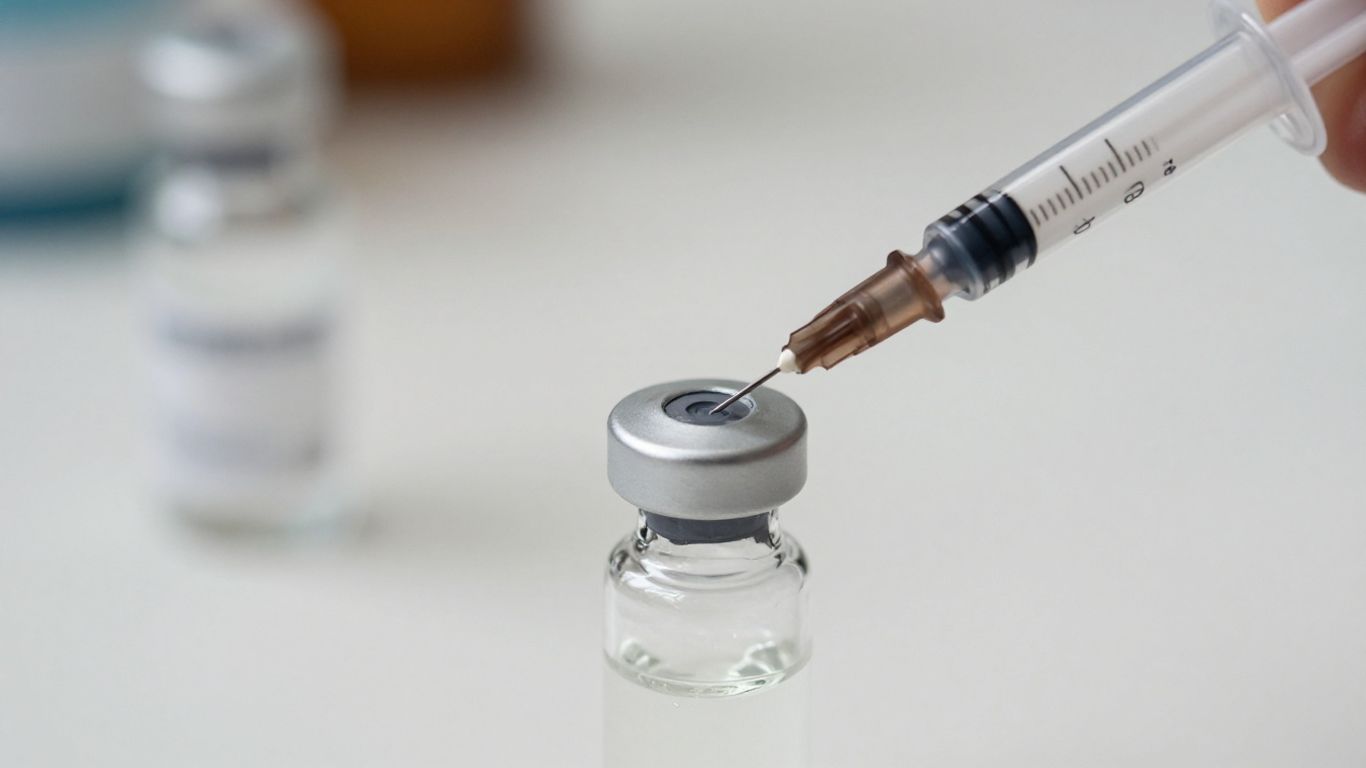
Now, grab a clean syringe. Push the needle through the stopper of the bacteriostatic water vial and draw up the amount of water you need. You'll want to have figured this out beforehand, perhaps using a calculator, to get the concentration you're aiming for. Next, carefully insert the needle into the peptide vial's stopper. The trick here is to angle the needle so the water runs slowly down the inside wall of the vial. Don't just blast it directly onto the powder; that can cause it to clump up or even degrade.
Gently Dissolving The Peptide Compound
Once all the water is in the peptide vial, it's time for some gentle persuasion. Instead of shaking it like a maraca, which can really damage the peptide's structure, just gently swirl the vial between your fingers. A slow, circular motion is all it takes. Most peptides will dissolve within a minute or so. If you're reconstituting something like GHK-Cu, it might take a tiny bit longer because of the copper in it. If, after a bit of swirling, you still see bits floating around, don't panic. You can pop it back in the fridge for 15-30 minutes and then try swirling again. This is a common part of mixing research peptides.
Assessing The Reconstituted Peptide Solution
After you've given it a good swirl and a bit of time, take a look at your solution. It should be clear and colourless. If you're working with GHK-Cu, it might have a very faint blue-green tint, which is normal. If it looks cloudy, has bits floating in it that won't dissolve, or has a weird colour, then something's not quite right. This could mean the peptide has degraded or got contaminated. You'll want to avoid using solutions that don't look right. For more on handling, check out this guide on peptide handling and storage.
Remember, the goal is a clear, homogenous solution. Any sign of cloudiness or particles suggests a problem that needs addressing before proceeding with your research. Patience and gentle handling are your best friends here.
Calculating Peptide Concentration Accurately
Right then, so you've got your peptide powder and your bacteriostatic water, and you've managed to get them mixed. Brilliant! But how much of the actual peptide is in that liquid now? This is where calculating the concentration comes in, and honestly, it's not as scary as it sounds. Getting this bit right is pretty important if you want your research to be consistent.
The Formula For Determining Concentration
To figure out the concentration of your reconstituted peptide, you'll need a simple formula. It basically tells you how many micrograms (mcg) of peptide you have in each millilitre (mL) of your solution. You'll need to know the original weight of the peptide powder (usually in milligrams, mg) and the volume of bacteriostatic water you added (in mL).
The formula is:
Concentration (mcg/mL) = (Peptide Weight in mg × 1000) ÷ Volume of Water in mL
Let's say you have a 5 mg vial of peptide and you added 2 mL of bacteriostatic water. Plugging that into the formula:
(5 mg × 1000) ÷ 2 mL = 5000 mcg ÷ 2 mL = 2500 mcg/mL
So, your final solution has a concentration of 2500 micrograms per millilitre. Easy peasy, right?
Utilising A Peptide Dosage Calculator
While the formula is straightforward, sometimes you just want a quick answer, especially if you're dealing with different peptide weights or water volumes. That's where online peptide dosage calculators come in handy. These tools are designed to do the math for you. You just pop in the peptide's original weight and the amount of solvent you used, and it spits out the concentration. It's a good way to double-check your own calculations or just save a bit of time. Many suppliers of research peptides, like those offering GHK-Cu (Copper Peptide), will often have these calculators available on their sites.
It's always a good idea to keep a record of your calculations. Jotting down the peptide's original weight, the amount of solvent used, and the resulting concentration in a lab notebook or on the vial itself helps prevent mix-ups down the line. This documentation is key for reproducibility in your experiments.
Here’s a quick look at what you might input and what you’d get:
| Input Peptide Weight (mg) | Input Water Volume (mL) | Calculated Concentration (mcg/mL) |
|---|---|---|
| 5 | 1 | 5000 |
| 10 | 2 | 5000 |
| 2 | 0.5 | 4000 |
Remember, the accuracy of your calculation depends entirely on the accuracy of your measurements. Using a precise syringe for the bacteriostatic water is just as important as knowing the peptide's weight.
Proper Storage Of Reconstituted Peptides
Recommended Storage Temperatures
Once you've successfully reconstituted your peptide, keeping it stable is the next big thing. The general rule of thumb is to store reconstituted peptides in the refrigerator, typically between 2°C and 8°C. This temperature range significantly slows down any potential degradation processes. For longer-term storage, especially if you're not going to use the peptide within a few weeks, freezing it at -20°C is often recommended. Just be mindful of how many times you're thawing and refreezing it, as repeated freeze-thaw cycles can sometimes impact the peptide's integrity. It's a bit like leaving food in the freezer – you don't want to keep taking it out and putting it back in too often.
Shelf-Life Considerations For Reconstituted Peptides
The lifespan of your reconstituted peptide really depends on a few factors, mainly the solvent used and how you store it. If you used bacteriostatic water, which has a preservative, you can usually expect a shelf-life of around 4 to 6 weeks when stored correctly in the fridge. However, if you opted for plain sterile water, you'll want to use that solution much more quickly, ideally within 48 hours. For anything longer, it's best to freeze it in small, single-use portions to avoid those aforementioned freeze-thaw issues. Always label your vials clearly with the peptide name, concentration, and the date you reconstituted it. This helps you keep track of what's what and when it needs to be used by. It's a simple step, but it makes a world of difference in avoiding mix-ups or using a peptide that's past its prime.
Keeping track of your reconstituted peptides is super important. A little bit of organisation now can save you a lot of hassle and wasted product later on. Think of it as giving your research the best possible chance to succeed by treating your materials with care.
Here's a quick rundown:
- Refrigerated (2-8°C) with Bacteriostatic Water: Generally stable for 4-6 weeks.
- Frozen (-20°C) with Bacteriostatic Water: Can extend shelf-life significantly, but minimise freeze-thaw cycles.
- Refrigerated (2-8°C) with Sterile Water: Use within 48 hours.
- Frozen (-20°C) with Sterile Water: Best for longer-term storage, use single-use aliquots.
Remember, these are general guidelines. Always check the specific manufacturer's recommendations for the peptide you are using, as some might have unique storage requirements. For instance, some peptides might be more sensitive to light or temperature fluctuations than others. If you're unsure, it's always better to err on the side of caution and store it in the coldest, darkest place possible. This careful handling is key to maintaining peptide stability for your research.
Common Pitfalls To Avoid During Reconstitution
Right, so you've got your research peptides and you're ready to get them ready for use. It sounds straightforward, but honestly, there are a few common slip-ups people make that can really mess things up. It's worth knowing about these so you don't end up wasting a perfectly good vial of peptide.
Risks Of Aggressive Agitation
First off, don't go shaking your peptide vial like you're trying to win a cocktail-making competition. When you add the bacteriostatic water, you need to be gentle. Think slow, gentle swirling. Shaking or vortexing too hard can actually damage the peptide's structure, especially if it's a more delicate sequence. This can lead to it not working as it should, or worse, degrading completely. It’s like trying to dissolve sugar in tea by banging the mug – you’ll just end up with a mess and maybe some foam.
Consequences Of Using Non-Sterile Solvents
This one's a biggie. If your bacteriostatic water or any other solvent isn't sterile, you're basically inviting trouble. Contamination can ruin your peptide, making it useless for research. It's not just about the peptide itself; introducing bacteria or other microbes can skew your results something awful. Always make sure your bacteriostatic water is from a reputable source and that you're handling everything in a clean environment. Using sterile equipment is non-negotiable here.
Impact Of Improper Storage Conditions
Once you've successfully reconstituted your peptide, the job isn't quite done. How you store it makes a massive difference to its lifespan and effectiveness. Most reconstituted peptides need to be kept cold, often in the fridge or even the freezer, depending on what the manufacturer recommends. Leaving it out on the bench or in a warm spot is a recipe for disaster. Repeatedly taking it out and putting it back in can also cause issues. It’s best to store it correctly from the get-go to avoid any degradation. For example, storing at the wrong temperature can lead to peptide degradation, rendering it ineffective.
It's easy to get caught up in the excitement of starting your research, but taking a few extra minutes to follow the correct reconstitution and storage procedures can save you a lot of headaches and wasted resources down the line. Think of it as a small investment for a much more reliable outcome.
Conclusion
Reconstituting research peptides might seem tricky at first, but by following these steps and using the right materials, it becomes a routine lab task. Remember, bacteriostatic water is your friend for multi-use vials, keeping your precious compounds stable and ready for your experiments. Always double-check your calculations and storage conditions to get the most reliable results. Happy researching!
Frequently Asked Questions
What exactly is bacteriostatic water?
Think of it as special water for injections that has a tiny bit of a preservative called benzyl alcohol mixed in. This preservative stops tiny germs, like bacteria and fungi, from growing in the water. It's like a little bodyguard for your research samples.
Why can't I just use regular sterile water?
Regular sterile water is fine if you're going to use up the whole vial of peptide right away, in one session. But if you plan to use small amounts over several days, sterile water won't stop germs from growing after you poke the vial multiple times. That's where bacteriostatic water comes in handy with its preservative.
How do I mix the water into the peptide powder?
First, clean the tops of both vials with an alcohol wipe. Then, use a clean syringe to draw out the amount of bacteriostatic water you need. Gently push the water down the side of the peptide vial, not directly onto the powder. After that, just gently swirl the vial between your hands until it's all mixed. No shaking allowed!
How long will my mixed peptide last?
If you use bacteriostatic water and store the vial in the refrigerator (between 2 and 8 degrees Celsius), most peptides should stay good for about 4 to 6 weeks. If you used plain sterile water, you'd need to use it within 24 to 72 hours, or freeze it right away.
What if my mixed peptide looks cloudy?
A cloudy mix usually means something's not quite right with the peptide itself, maybe it's breaking down or didn't dissolve properly. The bacteriostatic water itself should be clear. If you see cloudiness or little bits floating around, it's best not to use it and maybe contact the supplier.
Can I reuse the same syringe to draw more water later?
Nope, it's best to use a fresh, clean syringe every single time you need to draw more bacteriostatic water. This helps keep everything as sterile as possible and prevents you from accidentally introducing any germs into your vials.