











Eli Lilly's Retatrutide Achieves Remarkable Weight Loss in Landmark Phase 3 Trial
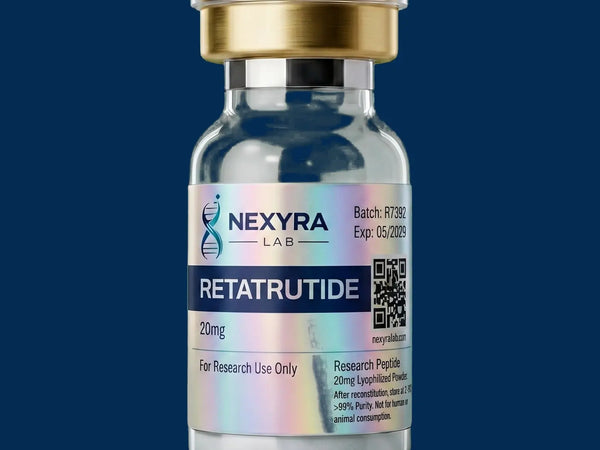
Eli Lilly and Company has announced groundbreaking results from its Phase 3 TRIUMPH-1 clinical trial, showcasing the significant weight loss potential of its investigational drug, retatrutide. The once-weekly triple hormone receptor agonist demonstrated substantial reductions in body weight across all tested doses, offering new hope for individuals struggling with obesity.
Key Takeaways
- Retatrutide, a GIP, GLP-1, and glucagon triple hormone receptor agonist, achieved significant weight loss in a Phase 3 trial.
- The highest dose (12 mg) resulted in an average weight loss of 28.3% at 80 weeks, with up to 30.3% weight loss observed in a study extension.
- A notable 45.3% of participants on the 12 mg dose achieved over 30% body weight reduction, a level comparable to bariatric surgery.
- Improvements in cardiometabolic health markers were also observed.
- Common side effects were consistent with incretin-based therapies, primarily gastrointestinal issues.
Promising Weight Loss Results
The TRIUMPH-1 trial evaluated retatrutide in adults with obesity or overweight and at least one weight-related comorbidity, excluding those with diabetes. At 80 weeks, participants receiving retatrutide experienced clinically meaningful weight loss. The 12 mg dose led to an average reduction of 70.3 lbs (28.3%), with an impressive 45.3% of participants achieving a weight loss of 30% or more. This level of weight loss is often associated with the outcomes of bariatric surgery.
For individuals with a baseline BMI of 35 or higher who continued in a study extension, those on the 12 mg dose achieved an average weight loss of 85.0 lbs (30.3%) at 104 weeks. Even a lower dose of 4 mg resulted in an average weight loss of 47.2 lbs (19.0%) at 80 weeks, with a lower rate of discontinuation due to adverse events compared to placebo.
Cardiometabolic Health Improvements
Beyond weight reduction, retatrutide demonstrated significant improvements in several cardiovascular risk factors. These included reductions in waist circumference, non-HDL cholesterol, triglycerides, systolic blood pressure, and high-sensitivity C-reactive protein (hsCRP).
Safety and Tolerability Profile
The adverse events observed during the trial were generally consistent with those seen with other incretin-based therapies. The most common side effects included nausea, diarrhoea, constipation, and vomiting. While some participants experienced dysesthesia and urinary tract infections, these were typically mild to moderate and resolved during treatment. Discontinuation rates due to adverse events were comparable across the retatrutide doses and placebo.
Future Outlook
These positive topline results from TRIUMPH-1 are a significant step forward for retatrutide. Eli Lilly is continuing to investigate the drug in other Phase 3 trials, including TRIUMPH-2 (for adults with obesity or overweight and type 2 diabetes) and TRIUMPH-3 (for adults with obesity or overweight and established cardiovascular disease). Further data are expected to be presented at upcoming medical conferences and published in peer-reviewed journals.
Sources
- Lilly's triple agonist, retatrutide, delivered powerful weight loss in pivotal Phase 3 obesity trial, Investors | Eli Lilly and Company.
- Phase III retatrutide study demonstrates 30% weight loss, The Pharmaceutical Journal.
- Retatrutide trial shows 30% weight loss in 45% of patients, Chemist+Druggist.
- Retatrutide Phase 3 Data Show Up to 28% Weight Loss in Obesity Trial, Patient Care Online.