




















Synthetic Peptides Guide 2026: Uses, Safety & Scientific Insights
Scientific exploration increasingly turns to synthetic peptides—engineered molecules designed to mimic natural peptides but crafted for precision and enhanced functionality. These compounds play crucial roles in advancing biomedical research, offering tailored interactions with biological systems. Understanding their structure, applications, and safety profiles provides valuable insights for researchers aiming to harness peptides’ potential in therapeutic innovation and experimental study.
What Are Synthetic Peptides?
Synthetic peptides are short chains of amino acids chemically assembled in the laboratory, distinguishing them from natural peptides derived directly from living organisms. Their defined sequences and purity levels enable researchers to study specific biological effects with greater control. Common types include hormone analogues, enzyme inhibitors, and neuropeptides, which are synthetically produced to precisely mimic or alter biological activity. These peptides are invaluable in scientific and medical research, serving as tools to probe cellular functions and as potential therapeutic agents.
Common Uses of Synthetic Peptides
Synthetic peptides find extensive use in research environments, drug development, and therapeutic applications. They assist in hormone regulation studies, stimulate tissue repair processes, and enable experimental treatments in fields like neurobiology and metabolism. Examples include growth hormone secretagogues, which promote hormone release, and neuropeptides that modulate nervous system activity. Their versatility and specificity make them favourites in biomedical research and clinical trials, where they help clarify mechanisms of disease and evaluate novel interventions. For instance, peptides like TB-500 has been investigated in preclinical research for potential roles in tissue repair.
How Synthetic Peptides Work in the Body
These peptides function by interacting with cellular receptors, triggering biological pathways that influence physiological responses. They often mimic natural hormones or ligands, modulating signal transduction to induce desired effects, such as enhancing tissue regeneration or hormone secretion. Their pharmacodynamics—the relationship between concentration and effect—are central to their efficacy. Through precise receptor engagement, synthetic peptides can selectively activate or inhibit target pathways, supporting their application in tailored therapeutic strategies.
Safety Considerations for Synthetic Peptides
The production of synthetic peptides demands stringent regulation and quality control to ensure purity and safety. Risks arise from potential impurities, preparation or measurement errors, and contamination, which can compromise research integrity and reproducibility. Regulatory frameworks differentiate approved medicinal peptides from experimental compounds marketed for research, where clinical safety data may be limited. Self-administration outside controlled environments is a particular concern, underscoring the need for caution and expert oversight to mitigate risks associated with unregulated peptide use. Sourcing from reliable suppliers, such as those offering research-grade Retatrutide in the UK, helps maintain quality and safety standards.
Scientific Evidence Supporting Synthetic Peptides
A growing body of preclinical and clinical research supports the biological effects of certain synthetic peptides, especially those with established mechanisms and therapeutic targets. However, evidence quality varies considerably; well-studied peptides have robust validation, while others remain experimental with incomplete human trial data. This disparity highlights the necessity of critical evaluation before accepting claims about benefits. Ongoing research aims to fill these gaps, advancing understanding and ensuring findings translate reliably into clinical practice.
Legal and Regulatory Status of Synthetic Peptides
Regulation of synthetic peptides varies by jurisdiction, typically distinguishing between research-use compounds and medicines. Agencies impose restrictions on sales and approvals, with many peptides labelled "for research only" to circumvent medicinal regulations. This practice can obscure safety and efficacy profiles, posing challenges for end users. Purchasing from reputable suppliers adhering to regulatory standards is essential to ensure quality and compliance within the UK and other markets.
Responsible Handling in Research Settings
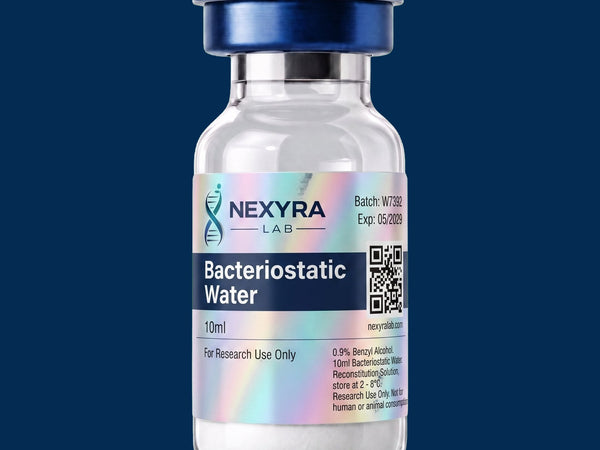
For qualified researchers, responsible use involves sourcing peptides from verified manufacturers, accurate reconstitution with sterile solvents, and careful adherence to the study's handling and concentration protocols. Proper storage conditions, like lyophilised powder forms kept sterile and pyrogen-free, preserve integrity. Ethical considerations include transparency in research applications and avoiding unapproved human use. Consulting institutional research-safety guidance and experienced colleagues before employing peptides enhances safety and maximises scientific value.
Future Trends in Synthetic Peptide Research
Emerging advances focus on refining peptide design for greater target specificity and enhanced drug delivery methods. Innovations include multi-receptor agonists and engineered peptides with improved membrane permeability. Clinical translation remains challenging but promising, as new applications in metabolic, oncological, and neuroprotective therapies gain momentum. By 2026 and beyond, synthetic peptides are poised to expand their role as versatile agents bridging molecular biology and precision medicine.