














MOTS-c Peptide Research Overview 2026: Mitochondrial Metabolism & UK Availability
Here are the main points to remember about MOTS-c research in the UK for 2026. This peptide is creating a buzz for good reason, and it's worth keeping these highlights in mind.
Key Takeaways
- MOTS-c is a peptide made inside our cells' mitochondria, playing a role in how our bodies use energy.
- It's known to activate AMPK, a key switch for metabolism, which affects how we handle sugar and respond to insulin.
- For researchers in the UK, MOTS-c is available from specialised suppliers, but quality checks are super important.
- The peptide shows promise in studies related to ageing, obesity, and diabetes, and may work well with exercise.
- MOTS-c is not approved for human use in the UK and is banned in sports; it's strictly for research purposes.
Understanding MOTS-c: A Mitochondrial Marvel
The Genesis of MOTS-c: A Novel Peptide
Mitochondria, often called the powerhouses of our cells, do more than just churn out ATP. It turns out they're also busy little factories producing tiny signalling molecules, known as mitochondrial-derived peptides (MDPs). One of these, MOTS-c, is a 16-amino-acid peptide that's really caught the eye of researchers. Discovered relatively recently, it's encoded right there in the mitochondrial DNA. This discovery has opened up a whole new avenue in mitochondrial peptide research UK and beyond, suggesting mitochondria play a role in cell communication that we're only just beginning to understand. It’s quite a shift from thinking of them solely as energy producers.
Mitochondrial Signalling Beyond Energy Production
So, what's MOTS-c actually doing? Well, it's involved in signalling, but not just about energy. It seems to act as a messenger, telling other parts of the cell, and even other cells, what's going on metabolically. Think of it like a tiny scout reporting back on the cell's status. This signalling can influence things like how our cells handle glucose and how sensitive we are to insulin. It's also linked to how cells respond to stress and generally keep themselves in good working order. This peptide is a key player in maintaining metabolic balance, and its levels can change based on our lifestyle, like exercise or diet.
The Unique Origin and Synthesis of MOTS-c
The fact that MOTS-c comes from the mitochondria itself is pretty special. Unlike most peptides in our body, which are made from instructions in the cell's main DNA (the nucleus), MOTS-c has its own blueprint within the mitochondria. This origin means it can respond directly to the conditions inside the mitochondria, like energy levels or stress. When things get tough, like during exercise or when calories are restricted, the mitochondria can ramp up MOTS-c production. This peptide then travels out of the mitochondria, sometimes even into the nucleus, to coordinate a cellular response. It’s a fascinating example of how our cells adapt and communicate internally. Researchers in the UK are keen to explore how this unique synthesis impacts its potential applications, with various suppliers offering it for laboratory investigation [f6c9].
Mechanisms of Action: Metabolic Regulation
So, how exactly does MOTS-c work its magic? It's not just about making energy; it's about fine-tuning our body's entire metabolic engine. This peptide, originating from our mitochondria, plays a significant role in keeping things balanced, especially when it comes to how we use fuel.
AMPK Activation: The Core Metabolic Switch
Think of AMPK as the main switch for cellular energy. MOTS-c is known to activate this switch, but in a way that's a bit different from common drugs like metformin. Instead of directly flipping the switch, MOTS-c seems to nudge the cell's energy levels (the AMP/ATP ratio) or help a specific enzyme, LKB1, do its job better. This leads to AMPK getting switched on, and it stays on for a good while. Once AMPK is active, it kicks off a whole series of metabolic changes:
- Glucose Uptake: It helps muscles and fat cells take in more glucose from the blood, even without much insulin. This is a big deal for managing blood sugar.
- Fat Burning: AMPK tells the body to burn more fat for energy by reducing the production of certain molecules that store fat and increasing the transport of fats into the mitochondria.
- Mitochondrial Health: It encourages the creation of new mitochondria and boosts the function of existing ones, making our cells more efficient at producing energy.
This activation of AMPK is a key reason why MOTS-c is so interesting for energy metabolism research peptides.
Glucose Metabolism and Insulin Sensitivity
One of MOTS-c's most talked-about effects is its impact on how our bodies handle glucose and respond to insulin. Studies show that giving MOTS-c can significantly improve insulin sensitivity. This means our cells become better at responding to insulin's signal to take up glucose from the bloodstream. It helps regulate blood sugar levels, which is obviously important for preventing or managing conditions like type 2 diabetes. It's not just about muscles; the liver also benefits, with reduced glucose production. This peptide really seems to help the body use glucose more effectively, a finding that has been observed in various preclinical studies.
Cellular Stress Response and Resilience
Beyond just energy and glucose, MOTS-c also helps our cells cope with stress. When cells are under pressure, whether from lack of nutrients or other environmental factors, MOTS-c can help them adapt. It does this partly by promoting autophagy, a cellular 'clean-up' process that removes damaged components, including faulty mitochondria. This maintenance of mitochondrial quality is vital for long-term cellular health and resilience. By improving the cell's ability to handle stress and repair itself, MOTS-c contributes to overall metabolic health and may play a role in slowing down age-related decline. This aspect highlights its potential beyond just immediate metabolic adjustments, making it a fascinating subject for metabolic research.
The way MOTS-c influences multiple metabolic pathways simultaneously is quite remarkable. It's not a one-trick pony; it coordinates a systemic response that helps the body adapt to different energy demands and stresses, promoting a more stable and efficient metabolic state.
MOTS-c Research in the UK Context
When it comes to MOTS-c research here in the UK, things are moving along, but it's important to get the details right. Understanding the legal landscape and where to source quality compounds is paramount for any serious investigation.
Availability of MOTS-c for UK Researchers
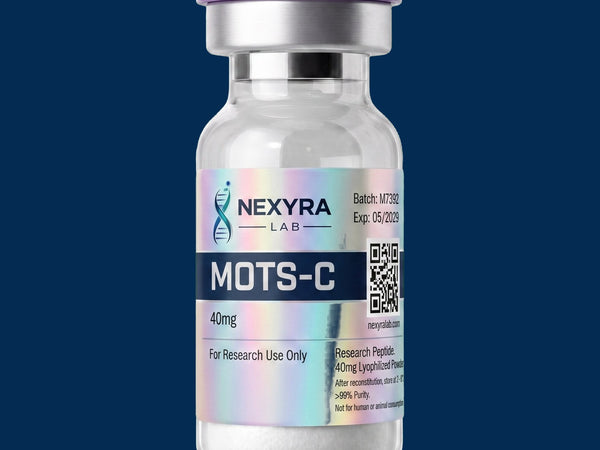
For those of us in the UK looking to get our hands on MOTS-c for laboratory work, the primary route is through specialised research chemical suppliers. These companies are geared towards providing compounds for scientific study, not for human consumption. It's crucial to remember that MOTS-c is not an approved medicine here; it's strictly for research purposes. You won't find it on pharmacy shelves, and any claims suggesting otherwise are misleading. The good news is that several reputable suppliers operate within the UK, offering various quantities for different research scales. We've seen that MOTS-c exhibits a wider range of metabolic benefits, including lipid metabolism, mitochondrial biogenesis, and stress responses, surpassing metformin in these areas. Both compounds show potential for further research and application.
Quality Assurance and Sourcing in the UK
Sourcing MOTS-c in the UK requires a keen eye for quality. Reputable suppliers will always provide a Certificate of Analysis (CoA) with their products. This document is your assurance that the peptide has been tested for purity, identity, and any potential impurities. Look for suppliers who use High-Performance Liquid Chromatography (HPLC) and Mass Spectrometry (MS) to verify their products. Batch-to-batch consistency is also a good indicator of a reliable source. When you're dealing with a novel compound like MOTS-c, it's wise to choose suppliers who have a solid track record with other research peptides. They'll likely have more robust quality control measures in place.
Regulatory Considerations for MOTS-c in the UK
Navigating the regulatory side of things is key. Currently, MOTS-c is not licensed by the MHRA (Medicines and Healthcare products Regulatory Agency) for therapeutic use in humans. This means it's not a medicine. However, it is legal to supply and purchase MOTS-c within the UK for research and laboratory use, provided it's clearly labelled as such and not marketed for any other purpose. Selling it as a cosmetic or dietary supplement is a no-go. Researchers intending to move towards clinical trials would need to follow a strict regulatory pathway, including obtaining an Investigational Medicinal Product (IMP) classification from the MHRA. For those asking about buy MOTS-c UK legal status, it's permissible for research, but always ensure your supplier adheres to all relevant regulations.
The regulatory framework in the UK permits the supply of MOTS-c for scientific investigation. However, it is imperative that all transactions and usage strictly adhere to 'research use only' guidelines. Any deviation from this can lead to significant legal and ethical complications for both the supplier and the researcher.
When considering MOTS-c benefits and side effects, remember that most of the data comes from preclinical studies. While promising, these findings don't directly translate to human outcomes yet. Researchers are still gathering information on its long-term effects and safety profile.
Therapeutic Potential and Future Directions

Applications in Ageing and Longevity Research
MOTS-c is showing some really interesting promise when it comes to tackling the effects of ageing. It seems to play a role in keeping our cells working better for longer, which could be a big deal for longevity research. Studies suggest it helps maintain metabolic health as we get older, potentially warding off some of the age-related decline we often see. It's not a magic bullet, of course, but the idea that a naturally occurring peptide could help us age more gracefully is pretty exciting.
Role in Obesity and Diabetes Management
This is where MOTS-c is really grabbing attention. It's been linked to improved insulin sensitivity and better glucose metabolism. Basically, it seems to help our bodies use sugar more effectively and respond better to insulin, which are key issues in both obesity and type 2 diabetes. The potential for MOTS-c as a therapeutic agent in managing these widespread conditions is a major focus for ongoing research. It could offer a new avenue for treatment, especially for those who don't respond well to current therapies. We're seeing a lot of interest in peptide therapy UK clinical trials for these kinds of metabolic disorders.
Synergistic Effects with Exercise Training
It's not just about the peptide on its own; it looks like MOTS-c might work even better when combined with exercise. Research indicates that MOTS-c can amplify the positive metabolic changes that come from physical activity. Think of it as giving your workout a boost. This synergy could mean that individuals might achieve better health outcomes with a combination of MOTS-c and regular exercise than with either intervention alone. It highlights how complex biological systems interact and how we might be able to use these interactions to our advantage.
The exploration of MOTS-c's therapeutic applications is still in its early stages, but the initial findings are compelling. Its ability to influence fundamental metabolic processes suggests a broad range of potential uses, from combating age-related diseases to improving the efficacy of lifestyle interventions like exercise. Further investigation is needed to fully understand its mechanisms and translate these promising results into safe and effective treatments for patients.
Here's a look at some potential applications:
- Metabolic Syndrome: Improving insulin sensitivity and glucose uptake.
- Age-Related Cognitive Decline: Potential neuroprotective effects.
- Inflammation: Modulating inflammatory responses in various tissues.
For researchers in the UK looking for high-purity peptides for their studies, options are becoming more accessible. Companies are focusing on providing well-characterised compounds to support this growing field of research, with some offering products that undergo rigorous testing to ensure quality and purity, which is vital for reliable research outcomes.
Safety and Handling of MOTS-c

When you're working with any new compound, especially one as interesting as MOTS-c, getting the safety and handling right is pretty important. It's not just about keeping yourself safe; it's about making sure your experiments give you reliable results. Since MOTS-c is a naturally occurring peptide in our bodies, it generally has a good safety profile, which is a big plus. However, that doesn't mean we can just be careless with it.
Preclinical Safety Profile and Immunogenicity
From what we've seen in early studies, MOTS-c seems to be well-tolerated. It hasn't shown any signs of causing damage to major organs like the liver, kidneys, or heart, even at doses used in research. One of the really neat things about MOTS-c is that because it's something our bodies already make, it doesn't tend to trigger a strong immune response. This is quite different from synthetic peptides that our bodies might see as foreign invaders. So, you're unlikely to develop antibodies against it, even with repeated use. There have been some observations of mild blood pressure lowering in certain animal models, which seems linked to its metabolic benefits, and no adverse cardiovascular events have been reported in these preclinical settings.
While MOTS-c is naturally produced, research doses can exceed normal physiological levels. This means careful consideration of potential effects, even if the overall safety profile appears favourable.
Storage, Reconstitution, and Handling Protocols
Getting the storage and handling spot on is key to maintaining the integrity of your MOTS-c. For the lyophilised powder, keeping it cool is the main thing. Most suppliers recommend storing it in the fridge, between 2–8°C, or even frozen at −20°C, in its original, well-sealed container. Protecting it from light is also a good idea to prevent any degradation. When it comes to reconstituting, you'll typically use sterile saline, sterile water for injection, or a phosphate-buffered saline solution. It usually dissolves quite easily with a bit of gentle swirling or vortexing. Once reconstituted, it's best to use it within a couple of weeks if kept refrigerated, or you can extend its life by freezing aliquots. Just try to avoid thawing and refreezing it multiple times, as this can cause the peptide to clump together.
Here’s a quick rundown of common reconstitution and storage:
- Reconstitution Solvent: Sterile 0.9% sodium chloride, sterile water for injection, or PBS.
- Storage (Lyophilised): 2–8°C or −20°C, protected from light.
- Storage (Reconstituted): 2–8°C for up to 14 days; −20°C for 1–3 months (aliquoted).
- Handling: Use aseptic techniques throughout.
Understanding Potential Risks and Adverse Events
Although MOTS-c has a promising safety profile, it's wise to be aware of potential issues. In early human trials, some participants reported mild side effects like headaches or temporary nausea, particularly at higher doses. Injection site reactions can also occur, which is fairly common with any injectable substance. A theoretical risk, especially for individuals with diabetes on certain medications, is a slight drop in blood sugar due to MOTS-c's effect on glucose utilisation. While it doesn't seem to cause dangerous drops in blood sugar on its own, it's something to keep in mind, particularly if you're combining it with other treatments that affect glucose levels. Long-term human safety data is still limited, simply because it's a relatively new area of research, so ongoing vigilance is important. If you're looking into peptide therapy for metabolic conditions, close monitoring by a healthcare provider is always recommended [6a9].
Conclusion
MOTS-c, a fascinating peptide originating from our mitochondria, is opening new doors in metabolic research, particularly within the UK. While still in its early stages, the potential for this molecule to influence everything from metabolic health to ageing is significant. As research progresses, understanding its mechanisms, ensuring quality sourcing, and navigating regulatory pathways will be key for UK scientists looking to explore MOTS-c's capabilities. The journey from lab discovery to potential therapeutic application is a long one, but MOTS-c represents an exciting frontier in our quest for better health and longevity.
Frequently Asked Questions
What exactly is MOTS-c?
Think of MOTS-c as a tiny messenger molecule made inside the powerhouses of your cells, called mitochondria. It's a short chain of building blocks that helps tell your body how to manage energy and sugar, especially when things get stressful.
Is MOTS-c something my body already makes?
Yes, it is! Your body naturally produces MOTS-c. However, the amount your body makes can go down as you get older or if you have certain health issues. Scientists are looking into whether giving more MOTS-c might help.
How can UK researchers get MOTS-c?
Researchers in the UK can buy MOTS-c from special companies that sell lab chemicals. It's really important to get it from a trusted source that can show you proof of its quality and purity.
Can I use MOTS-c to treat a health problem?
Right now, no. MOTS-c is only for scientific research. It hasn't been approved by health authorities like the MHRA in the UK for treating any medical conditions in people. It's still being studied.
Does MOTS-c help with exercise or sports?
Studies suggest MOTS-c might help muscles work better and could be linked to exercise benefits. However, it's banned by the World Anti-Doping Agency for athletes because it's considered a performance-enhancing substance.
What are the main research areas for MOTS-c?
Scientists are really interested in how MOTS-c affects ageing, helping manage weight and blood sugar issues like diabetes, and how it interacts with the body's natural stress responses. It's a busy field of study!