


NAD+ Peptide Research Guide UK 2026: Cellular Energy Longevity & Key Studies
This guide looks at the latest in NAD+ peptide research happening in the UK, focusing on how it relates to cellular energy and living longer. We'll cover the basics of what NAD+ is, why it's important as we age, and what studies are showing. If you're interested in the science behind staying healthy as you get older, this is for you. We'll also touch on practical aspects for anyone involved in this area of research, like handling the compounds.
Key Takeaways
- NAD+ is a vital molecule for energy production and DNA repair in our cells, but its levels drop as we age.
- This decline in NAD+ is linked to many age-related issues, making its restoration a focus for longevity research.
- NAD+ precursors like NMN and NR are being studied for their ability to boost NAD+ levels and potentially reverse some aging effects.
- Research in the UK and elsewhere is exploring how NAD+ impacts metabolic health, sirtuin activity, and overall cellular function.
- Future research aims to understand the full potential of NAD+ therapies, including safety, effectiveness, and new delivery methods.
Understanding NAD+ Peptide Research in the UK
Right then, let's get stuck into NAD+. You've probably heard the buzz around NAD+ supplements UK research, and for good reason. This molecule, Nicotinamide Adenine Dinucleotide, is absolutely everywhere in our cells, doing all sorts of vital jobs. Think of it as a bit like the spark plug for your cellular engines. It's involved in over 400 different processes, from making energy to repairing DNA. Without enough of it, things just don't run as smoothly.
The Crucial Role of NAD+ in Cellular Function
At its heart, NAD+ is a coenzyme. That means it helps enzymes do their jobs. Two of its main gigs are acting as an electron carrier in energy production (that's how we get power from our food) and being a substrate for enzymes like sirtuins and PARPs. These enzymes are involved in everything from DNA repair to keeping inflammation in check. It's pretty much fundamental to how our cells stay alive and kicking. The sheer number of cellular processes reliant on NAD+ highlights its importance for overall health.
NAD+ Decline and Its Link to Ageing
Here's the kicker: as we get older, our NAD+ levels tend to drop. It's not a huge, sudden fall, but a gradual decline over the years. This reduction is thought to contribute to many of the hallmarks of ageing, like reduced energy, slower repair processes, and increased inflammation. It's like the spark plug gradually losing its spark. This is where the interest in NAD+ boosting compounds UK really takes off, as researchers look for ways to counteract this age-related dip. We're seeing a lot of work in this area, with scientists keen to understand the full picture.
Key NAD+ Precursors: NMN and NR
Now, NAD+ itself is a bit tricky to get into cells directly. It's a fairly large molecule. So, most research, including a lot of the NAD+ supplements UK research, focuses on precursors – molecules that our bodies can convert into NAD+. The two big names here are Nicotinamide Mononucleotide (NMN) and Nicotinamide Riboside (NR). Both are forms of Vitamin B3, but they sit at different points in the pathway to becoming NAD+.
- Nicotinamide Riboside (NR): This one's been studied quite a bit in human trials. It gets into cells and is then converted to NMN, and finally to NAD+.
- Nicotinamide Mononucleotide (NMN): This is one step closer to NAD+ in the production line. There's some debate about how it gets into cells, but evidence suggests it can be taken up directly in certain tissues.
- Direct NAD+ Administration: While less common for oral supplements, some research explores giving NAD+ directly, perhaps intravenously. This bypasses the precursor steps but comes with its own set of challenges regarding how the body uses it. It's an interesting avenue for cellular energy boosters UK.
The decline in NAD+ levels with age is a significant area of study. Restoring these levels, whether through precursors or other means, is hypothesised to reactivate cellular pathways that become less active as we age. This could have broad implications for healthspan.
Understanding these precursors is key to grasping much of the current research into anti-aging peptides UK and related compounds. The goal is to find the most effective and safe ways to support our cells' energy production and repair mechanisms as we get older. It's a complex field, but the potential benefits are driving a lot of innovation.
NAD+ Peptide Research: Longevity and Sirtuin Pathways
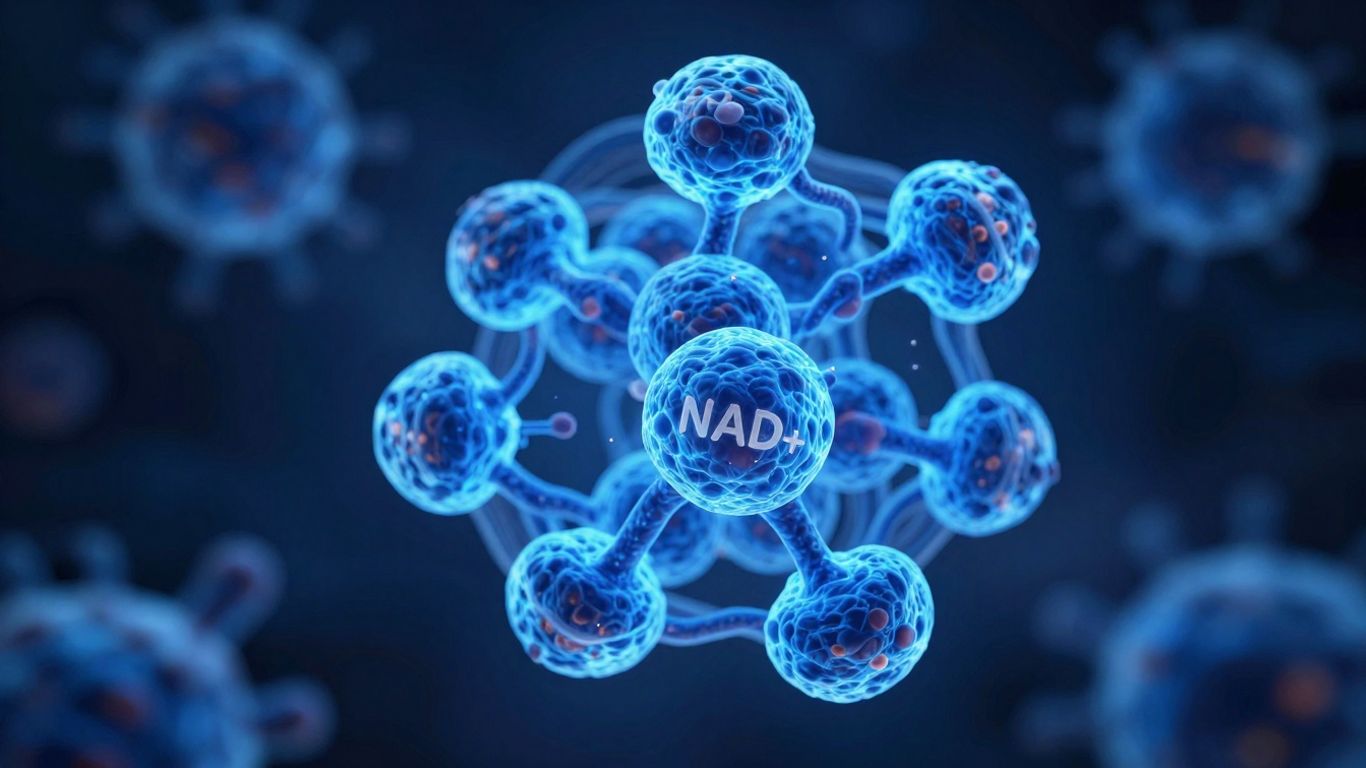
When we talk about longevity peptides UK researchers are increasingly looking at NAD+ and its connection to our body's internal clock. It's not just about living longer, but living healthier for longer. This is where sirtuins, a group of proteins, come into play.
Sirtuins: The Longevity Connection
Sirtuins are like the body's repair crew, and they absolutely need NAD+ to do their job. Think of NAD+ as the fuel that powers them. As we get older, our NAD+ levels tend to drop, and this means our sirtuins can't work as effectively. This slowdown is linked to many age-related issues. The idea is that by boosting NAD+ levels, we might be able to reactivate these sirtuins and keep our cells functioning better.
- SIRT1: This is the most studied sirtuin. It's involved in managing how our cells use energy, how they deal with stress, and even how they get rid of damaged parts (autophagy). It also plays a role in inflammation.
- SIRT3: Found in the mitochondria (the powerhouses of our cells), SIRT3 helps manage energy production. It's been shown to be important for protecting against age-related hearing loss, especially when combined with calorie restriction.
- Other Sirtuins (SIRT2, SIRT4-7): These also have various roles in DNA repair, metabolism, and cell survival.
Mitochondrial Health and NAD+
Our mitochondria are vital for producing energy. NAD+ is absolutely central to this process. It acts as a key player in the complex chain of reactions that generate ATP, the energy currency of our cells. When NAD+ levels fall, mitochondrial function can suffer, leading to less energy production and more cellular stress. This is why maintaining good mitochondrial health is so important for overall vitality and healthy aging.
Calorie Restriction and NAD+ Interplay
Interestingly, one of the oldest known interventions for extending lifespan in various organisms is calorie restriction. It turns out that calorie restriction can actually increase NAD+ levels. This creates a fascinating link: calorie restriction might work, in part, by boosting NAD+ and subsequently activating sirtuins. This connection is a major reason why NAD+ precursors are such a hot topic in longevity research. It suggests that we might be able to mimic some of the benefits of calorie restriction through supplementation, without the extreme dietary changes.
The relationship between NAD+, sirtuins, and aging is a complex but exciting area of study. By understanding how these components interact, researchers are uncovering potential ways to support cellular health and promote a longer, healthier life. The focus is on restoring youthful cellular function by addressing the decline in NAD+ that naturally occurs with age.
Metabolic Regulation and NAD+ Studies
NAD+ in Glucose Metabolism
NAD+ is absolutely central to how our bodies manage sugar. Think of it as a key player in the complex dance of energy production, especially when it comes to glucose. When we eat, glucose is broken down, and NAD+ is there, acting as a vital coenzyme that helps convert that food into the energy our cells need to function. Without enough NAD+, this process just doesn't run as smoothly. Studies have shown that as NAD+ levels drop with age, so does our ability to process glucose efficiently, which can lead to issues like insulin resistance. It's a bit like having a dimmer switch on your cellular energy supply – when NAD+ is low, the lights get dimmer.
Research in animal models, particularly those mimicking diet-induced obesity, has pointed towards NAD+ precursors like NMN improving how the body handles glucose. Some human studies are also starting to look into this, with early results suggesting that boosting NAD+ might positively influence how our muscles respond to insulin. This is a really active area of research, trying to understand the precise mechanisms at play and whether these findings can be translated into practical applications for metabolic health.
Energy Homeostasis and NAD+ Balance
Keeping our internal energy levels stable, a state known as homeostasis, relies heavily on NAD+. This coenzyme is involved in a constant balancing act, linking what we eat with how our cells use energy. It's a bit like a thermostat for your body's energy output. When NAD+ levels are healthy, our cells can efficiently convert nutrients into ATP, the main energy currency. However, age-related declines in NAD+ can throw this balance off, potentially affecting everything from our metabolic rate to how our bodies respond to periods of fasting or calorie restriction. The intricate ways this molecule is controlled within cells are still being uncovered, making it a fascinating subject for metabolic research.
Here's a quick look at how NAD+ fits into energy balance:
- Energy Production: NAD+ is a necessary ingredient for cellular respiration, the process that generates most of our ATP.
- Nutrient Sensing: It acts as a signal, letting cells know about the availability of nutrients and adjusting energy use accordingly.
- Metabolic Flexibility: Healthy NAD+ levels are thought to support the body's ability to switch between different fuel sources (like glucose and fats) as needed.
The intricate interplay between NAD+ and cellular energy pathways is a significant focus in aging research. Understanding how to maintain or restore NAD+ levels could offer new avenues for supporting metabolic function throughout life. This molecule acts as a central hub, connecting energy metabolism with other vital cellular processes.
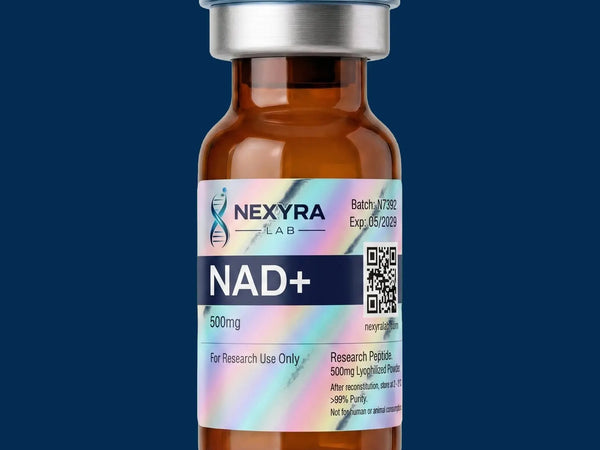
Proper storage and handling of NAD+ compounds are vital for researchers to ensure the integrity of their experiments. NAD+ is sensitive to heat, light, and moisture, so keeping it cool, dry, and protected from light is key. For example, storing it in a desiccated environment at -80°C is a common practice in many labs to preserve its stability for research-grade NAD+ powder applications.
Key UK Studies and Preclinical Findings
Right then, let's get into what's actually been happening in the UK regarding NAD+ peptide research, especially in the lab. It's not all just theory, you know. Scientists have been busy with animal models and early human studies to see if these NAD+ boosters actually do what we think they might.
Reversing Age-Related Deficits in Rodent Models
So, a lot of the early groundwork was done in mice and rats. These studies often look at whether giving NAD+ precursors, like NMN or NR, can help with things that go wrong as animals get older. We're talking about improvements in things like muscle function, how well their bodies use energy, and even how their brains work. For instance, some research has shown that in older mice, giving them NMN can lead to better physical endurance and a healthier metabolism. It's pretty interesting stuff, and it gives us a reason to look closer at humans.
Human Trials on NAD+ Precursors
Moving onto people, the UK has seen its share of clinical trials. These are usually focused on safety first, and then seeing if NAD+ levels actually go up in the blood. Some studies have looked at giving people NMN and then measuring their NAD+ levels afterwards. For example, one pilot study in healthy volunteers showed that taking NMN, especially when combined with something to help it get absorbed better, did indeed increase the amount of NAD+ in their blood. It's a step, but we need more to see the real health impacts. You can find more about the general landscape of longevity research here.
Investigating NAD+ Administration
Beyond just taking pills, researchers are also exploring other ways to get NAD+ into the body. Direct administration, like through injections, is one area. The idea is that NAD+ itself is a bit tricky to get into cells, so maybe giving it directly bypasses some issues. Studies have looked at how NAD+ travels around the body after it's given this way. It's still early days, and they're trying to figure out the best methods and what happens in different parts of the body. It's a complex puzzle, but important for future treatments.
It's important to remember that much of this research is still in its early stages. While animal studies can be very informative, they don't always translate directly to humans. The focus in the UK and elsewhere is on carefully conducted trials to build a solid evidence base.
Future Directions in NAD+ Peptide Research
So, where's all this NAD+ research heading next? It's a pretty exciting time, honestly. We're seeing a real push towards using these compounds in more advanced ways, especially when it comes to regeneration.
Regenerative Therapies and NAD+
Think about it: if we can boost NAD+ levels to help cells function better and repair themselves, that opens up doors for fixing damaged tissues. Researchers are looking into how NAD+ might help with things like muscle repair after injury or even supporting the regeneration of nerve cells. It's not just about slowing down aging anymore; it's about actively helping the body heal itself. This could be a game-changer for conditions where tissue damage is a major problem. The idea is that by giving cells the tools they need – in this case, more NAD+ – they can do a better job of rebuilding and restoring function. It's a bit like giving a construction crew more high-quality materials and better equipment to fix a building.
Addressing Safety and Efficacy in Trials
Of course, all this potential needs to be backed up by solid evidence. A big focus for the next few years will be on making sure these NAD+ interventions are both safe and actually work as intended in humans. We've seen some promising results from early studies, but larger, more robust clinical trials are needed. This means carefully monitoring participants for any side effects and precisely measuring the impact on various health markers. It’s about moving from 'this looks promising' to 'this is proven to be effective and safe'.
Here's a quick look at what researchers are keen to confirm:
- Long-term effects: What happens when people take NAD+ precursors or receive NAD+ for extended periods?
- Optimal dosing: What's the right amount for different goals and different people?
- Specific applications: Which age-related conditions or regenerative needs will benefit most?
- Delivery methods: Are precursors or direct NAD+ administration better for certain outcomes?
The Evolving Landscape of NAD+ Research
It's also worth noting that the field is constantly changing. New NAD+ precursors might be discovered, or we might find entirely new ways NAD+ interacts with our biology. For instance, understanding how NAD+ influences the gut microbiome or interacts with other cellular pathways could lead to novel therapeutic strategies. The research isn't just about NMN and NR anymore; it's a much broader exploration of the entire NAD+ network. We're also seeing more interest in combining NAD+ boosting with other interventions, like peptide therapies, to see if the effects can be amplified. It's a dynamic area, and staying updated is key for anyone involved in this research.
The journey from understanding basic cellular processes to developing tangible therapies is complex. It requires meticulous research, careful validation, and a commitment to scientific rigour. While the promise of NAD+ is significant, the path forward involves detailed investigation into its mechanisms, safety profiles, and real-world applications. The goal is to translate laboratory findings into meaningful improvements in human health and longevity, ensuring that any advancements are both effective and responsible.
Ultimately, the future of NAD+ research in the UK and globally looks set to be a fascinating one, with a strong emphasis on translating exciting preclinical findings into safe and effective human applications. It's all about building on what we know and pushing the boundaries of what's possible in cellular health and beyond.
Practical Considerations for NAD+ Research Compounds
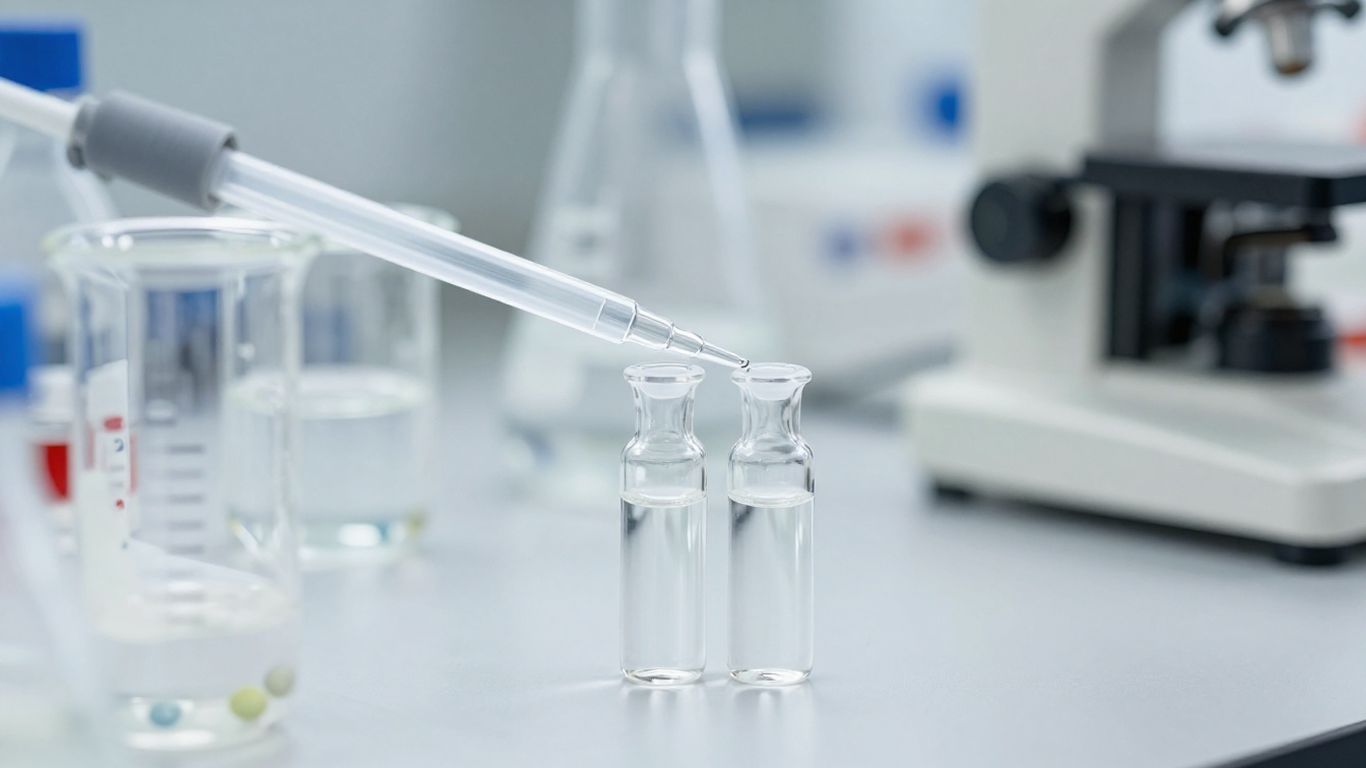
When you're working with NAD+ research compounds, especially in a UK laboratory setting, a few things are really important to get right. It’s not just about having the right stuff; it’s about keeping it in good condition so your experiments actually mean something.
Storage and Handling of NAD+
NAD+ itself is a bit sensitive, you see. It doesn't like heat, moisture, or being exposed to air for too long. If you're storing it as a powder, the general advice is to keep it at -20°C or even colder, and make sure it's dry. Once you've mixed it up into a solution, it's best to divide it into smaller portions and freeze those at -80°C. This way, you avoid repeatedly freezing and thawing the same batch, which can degrade the compound. Also, keep it out of the light; UV light can break it down. So, use opaque or amber containers, and try to keep your working solutions covered when you're using them.
- Powdered NAD+: Store at -20°C or below, in a dry environment.
- Reconstituted Solutions: Aliquot and store at -80°C to minimise freeze-thaw cycles.
- Light Protection: Use amber vials or store in the dark.
When reconstituting NAD+, it's usually best to use a sterile physiological buffer, like phosphate-buffered saline. Some sources suggest avoiding things like DMSO for NAD+ because it can sometimes react with it. It’s a small detail, but it can make a difference to your results.
Purity Verification for Research Grade Compounds
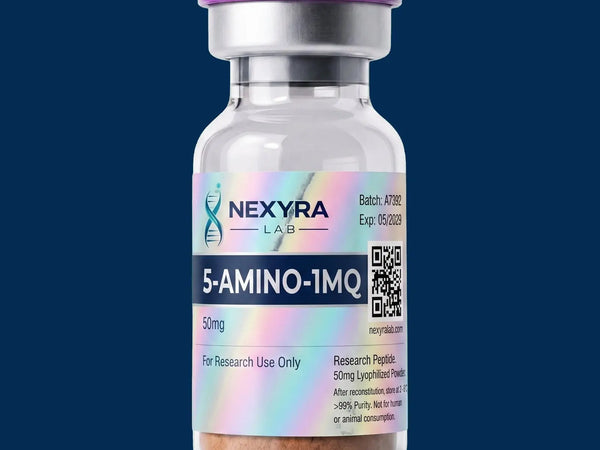
This is a big one. You need to be sure what you're actually working with. For any research-grade compound, you should always get a Certificate of Analysis (COA). This document tells you what the purity is, usually confirmed by something called HPLC, and that the compound is what it says it is, often checked with mass spectrometry. It’s like a quality stamp. Without a COA, you're essentially guessing, and that's no good for reliable research. If you're looking into different NAD+ precursors, understanding their specific properties is key, like how 5-Amino-1MQ works by inhibiting NNMT. Always check the documentation provided by your supplier to confirm the identity and purity of your NAD compounds.
Wrapping Up: What's Next for NAD+ Research in the UK?
So, we've looked at NAD+ and how it seems to be a pretty big deal when it comes to keeping our cells running smoothly and maybe even slowing down some of the effects of getting older. It's clear that lots of scientists in the UK and elsewhere are really interested in this stuff, especially how things like NMN and NR might help boost our NAD+ levels. While we're not quite at the point of having all the answers, the early studies do show some interesting possibilities for supporting energy and cellular health as we age. It’s definitely a field to keep an eye on as more research comes out, and we learn more about how these compounds work in people.
Frequently Asked Questions
What exactly is NAD+ and why is it important for our bodies?
Think of NAD+ as a vital helper molecule found in every single one of your cells. It's like a tiny worker that helps turn the food we eat into energy our cells can use. It also plays a big part in fixing our DNA when it gets damaged and helps keep things running smoothly as we get older.
Does NAD+ levels really drop as we age, and how does this affect us?
Yes, studies show that the amount of NAD+ in our bodies tends to go down as we get older. This drop is thought to be linked to many signs of ageing, like having less energy, our cells not working as well, and our bodies becoming more prone to certain health issues.
What are NMN and NR, and how do they relate to NAD+?
NMN (nicotinamide mononucleotide) and NR (nicotinamide riboside) are like building blocks, or 'precursors,' that our bodies can use to make more NAD+. Scientists are looking into them because giving the body these precursors might help boost NAD+ levels, especially as they decrease with age.
What are sirtuins, and how are they connected to longevity and NAD+?
Sirtuins are a group of special proteins in our bodies that are really important for keeping cells healthy and functioning well. Their activity depends on having enough NAD+. Because NAD+ levels drop with age, it's thought that boosting NAD+ could help 'wake up' sirtuins and potentially support a longer, healthier life.
Are there any studies happening in the UK about NAD+ and its effects?
While this guide focuses on the general research landscape, there's a lot of scientific interest worldwide, including in the UK, in how NAD+ works. Researchers are conducting studies to understand its role in energy, ageing, and metabolism, using different methods to investigate its potential benefits and how it can be safely used.
What should I know if I'm interested in research compounds related to NAD+?
For those involved in scientific research, it's crucial to use compounds specifically made for lab studies. These 'research-grade' chemicals need to be stored carefully, often in very cold and dry conditions, and their purity should be checked to ensure reliable results. Always remember, these are for research use only and not for people to take.