

Copper Peptide GHK-Cu: Science, Benefits & Skin, Hair, Health Effects in 2026
Since its discovery, copper peptide GHK-Cu has emerged as a notable molecule in regenerative medicine and cosmetic science. Known for its natural occurrence in the human body and multifaceted biological functions, this peptide-copper complex captivates researchers and skincare specialists alike. Its relevance spans skin rejuvenation, hair restoration, and tissue repair, driven by underlying mechanisms that interact deeply with cellular pathways. In this article, we explore the science, benefits, and clinical insights surrounding copper peptide GHK-Cu, offering a comprehensive resource for professionals and enthusiasts interested in its potential applications.
What is Copper Peptide GHK-Cu?
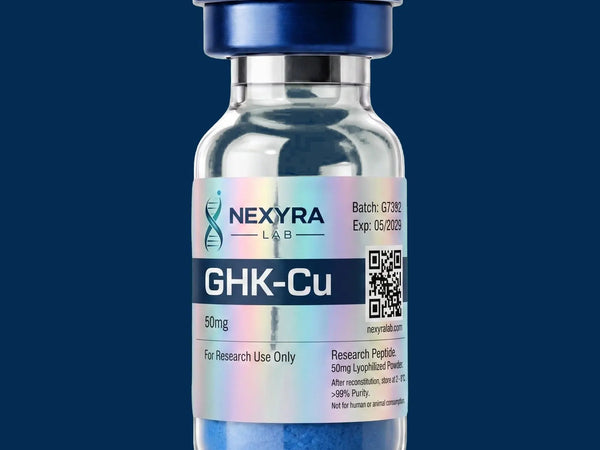
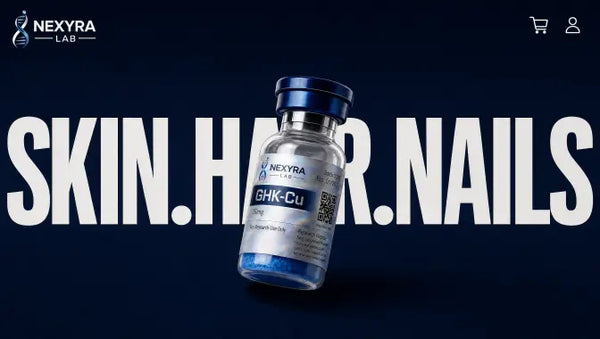
The copper peptide GHK-Cu is a naturally occurring molecule composed of the tripeptide glycyl-l-histidyl-l-lysine (GHK) bound to copper ions. Its biochemical structure enables the molecule to chelate copper tightly, forming a bioavailable complex that facilitates copper transport within the body. Found endogenously in human plasma, saliva, and urine, GHK-Cu serves important physiological roles.
Originally identified in human plasma, GHK-Cu is a small yet potent molecule whose levels naturally decline with age. This decrease corresponds to diminished regenerative capacity and slower tissue repair processes, implicating GHK-Cu as a biomarker and potential therapeutic agent in aging research. The presence of copper ions is fundamental, as these ions participate in redox reactions critical for enzymatic activities related to wound healing and antioxidant defense. By delivering bioactive copper directly to cells, GHK-Cu supports numerous cellular functions essential for maintaining tissue homeostasis.
Biological Functions and Mechanisms of GHK-Cu Peptide
GHK-Cu influences a wide array of biological pathways, notably by modulating gene expression. Research indicates that this peptide complex affects the activity of over 4,000 human genes, many of which govern repair, regeneration, and anti-inflammatory processes. Through this genomic regulation, GHK-Cu orchestrates complex biological responses that drive tissue remodeling and rejuvenation.
A key element of GHK-Cu’s action lies in its stimulation of fibroblasts, the primary cells responsible for synthesizing collagen and elastin — vital proteins that maintain skin structure and elasticity. By enhancing collagen production and promoting glycosaminoglycan synthesis, GHK-Cu facilitates rebuilding of the extracellular matrix, supporting skin firmness and hydration.
Beyond structural protein synthesis, GHK-Cu exhibits pronounced antioxidant effects. It elevates antioxidant enzymes which neutralize oxidative stress and suppresses pro-inflammatory cytokines such as TNF-alpha, diminishing chronic inflammation that contributes to tissue degeneration. The peptide also promotes angiogenesis, encouraging new blood vessel formation that supports nutrient delivery and cell survival during tissue repair.
Skin Benefits of Copper Peptide GHK-Cu
Among its most celebrated qualities, GHK-Cu enhances skin rejuvenation primarily by boosting collagen production, a cornerstone of youthful skin. Increased collagen synthesis strengthens the dermal matrix, leading to measurable improvements in skin firmness and resilience. Users often report smoother texture and a reduction in fine lines, attributable to the peptide's ability to stimulate fibroblast activity and promote elastin renewal.
Additionally, GHK-Cu supports the skin barrier, improving hydration and preventing transepidermal water loss. This effect enhances skin elasticity, making the skin appear plumper and more supple. Its role in glycosaminoglycan synthesis further aids moisture retention critical for healthy skin function.
Several clinical studies have demonstrated GHK-Cu’s efficacy in wrinkle reduction and increasing skin density and thickness, particularly when delivered via topical copper peptide serums over consistent periods. These trials highlight the anti-aging potential of the peptide, showing significant improvements in skin texture and visual signs of aging without serious adverse effects.
Antioxidant enzyme stimulation by GHK-Cu contributes to long-term skin protection, mitigating oxidative damage from ultraviolet radiation and environmental pollutants. By reducing oxidative stress, the peptide helps preserve skin integrity and delays the onset of aging signs. This multifaceted activity reinforces GHK-Cu’s standing as a powerful cosmetic ingredient in anti-aging formulations.
Hair Growth and Scalp Health Effects
GHK-Cu has demonstrated influence on scalp health, primarily by stimulating dermal papilla cells critical for hair follicle maintenance. These cells regulate the hair cycle and follicle regeneration, and GHK-Cu’s effect extends to prolonging the anagen phase — the active growth stage of hair follicles. This extension promotes sustained hair growth and counters premature shedding.
Preclinical studies have shown encouraging results with enhanced hair regrowth in animal models, while small-scale human trials suggest topical copper peptide serums may improve hair thickness and density. Such serums have gained popularity in cosmetic treatments targeting hair loss and thinning hair due to their generally favourable safety profile and ease of application.
In the UK, copper peptide serums are widely available as cosmetic products rather than licensed medical treatments. Cosmetic products regulation ensures their safety for topical use, but claims related to hair regrowth are often modest and must comply with local guidelines. This reality shapes consumer expectations and professional advice around their use in clinical practice.
Wound Healing and Tissue Regeneration
Extensive animal research underscores GHK-Cu’s robust capacity to accelerate wound healing. Studies document faster wound contraction and enhanced formation of granulation tissue, which is critical for effective repair. By promoting collagen, glycosaminoglycans, and decorin synthesis in the extracellular matrix, GHK-Cu creates an optimal scaffold for cell migration and tissue regeneration.
The peptide also increases antioxidant enzyme levels in injured tissue while reducing inflammatory cytokines, facilitating an environment conducive to healing and reducing scar formation. These anti-inflammatory effects help modulate the healing process, preventing chronic wounds or excessive fibrosis.
Beyond localized effects, systemic improvements in healing have been observed in animal models receiving GHK-Cu therapy, suggesting broader regenerative capabilities. Though clinical data in humans remain limited, these findings imply potential implications for therapeutic applications in wound care and recovery acceleration in clinical settings.
Scientific and Clinical Evidence Supporting GHK-Cu
Human clinical trials investigating topical GHK-Cu have consistently reported improvements in skin rejuvenation markers, including collagen content increase and wrinkle depth reduction. However, many of these studies involve small sample sizes and short follow-up periods, limiting broad extrapolation. There is also variability in study design, with a mixture of topical serums and injectable forms, complicating direct comparisons.
In vitro and animal studies robustly support a wide range of beneficial effects, from anti-inflammatory to pro-angiogenic activity, and enhancements in tissue repair. These foundational data provide biological plausibility for observed clinical outcomes.
Ongoing research seeks to validate these early findings via larger, placebo-controlled randomized controlled trials to establish clearer efficacy and safety profiles. Emerging clinical trials are also exploring injectable protocols and novel delivery systems, expanding the potential indications of GHK-Cu across regenerative medicine.
Forms and Delivery Methods of GHK-Cu
GHK-Cu is commonly delivered through topical formulations such as creams and serums, offering ease of use and favourable safety profiles. Topical applications allow broad skin coverage and straightforward integration into daily skincare regimens. However, limited skin penetration can reduce efficacy, especially in reaching deeper dermal targets.
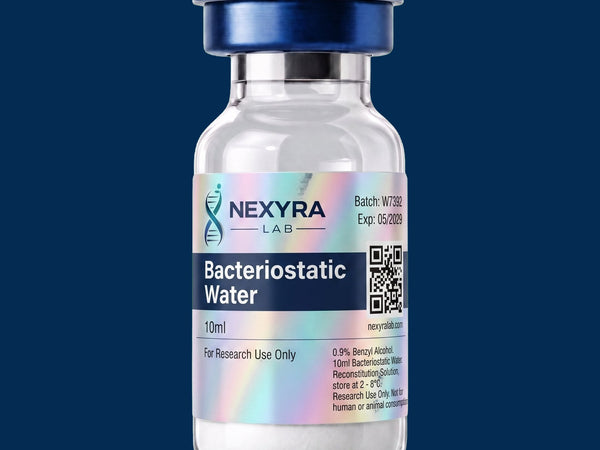
Injectable peptide therapy provides an alternative route, enabling direct delivery to specific tissues. Injectable dosing typically involves carefully calibrated protocols, sometimes administered in cycles to optimize systemic and local regenerative effects. This approach carries procedural risks but may yield more pronounced clinical benefits, particularly in tissue repair contexts. Researchers often utilize bacteriostatic water for peptide reconstitution to ensure safe and effective injectable preparation.
Recent advancements in delivery technology include nanolipid carriers and microneedling co-administration, designed to enhance epidermal penetration and bioavailability of GHK-Cu. Such technologies show promise for overcoming topical limitations while maintaining safety, though they remain subject to ongoing investigation.
Safety, Side Effects & Copper Toxicity Risks
GHK-Cu generally exhibits a strong safety profile supported by decades of research. Most users tolerate topical products well, with mild side effects such as redness, itching, or slight skin irritation occasionally reported. Patch testing is advisable before extensive application to mitigate adverse reactions.
Theoretical concerns about copper toxicity have been raised, but typical topical use results in minimal systemic absorption, keeping toxicity risks very low for most populations. Caution is recommended for individuals with copper metabolism disorders like Wilson's disease, pregnant women, and those with compromised liver function, where copper accumulation might pose hazards.
Overuse of copper peptides can sometimes trigger an effect colloquially termed “copper uglies,” characterized by skin redness and inflammation. This phenomenon relates to matrix metalloproteinase (MMP) activation leading to excessive tissue breakdown. Adhering to recommended dosages and avoiding prolonged, high-concentration exposure helps prevent these issues.
Regulatory Status and Cosmetic Use Worldwide
Across many countries, including the UK, GHK-Cu-containing products are classified primarily as cosmetics under GB Cosmetic Products Regulation. They are not licensed medicines and thus lack approval from regulatory bodies such as the MHRA or FDA for clinical treatment of wounds, hair loss, or anti-aging indications.
This regulatory framework shapes how products are marketed and sold, restricting therapeutic claims and emphasizing safety and quality. Consumers should be aware that cosmetic classification limits clinical efficacy validation, placing responsibility on manufacturers and practitioners to provide transparent information.
Availability of GHK-Cu products varies worldwide but is mostly through skincare brands and aesthetic clinics rather than pharmacies or medical channels. Regulatory oversight influences treatment protocols and safety monitoring, underscoring the importance of selecting reputable sources and qualified providers for peptide therapies.
Comparing GHK-Cu with Other Regenerative Treatments
Regenerative medicine offers several treatment modalities, with GHK-Cu peptides, platelet-rich plasma (PRP), and exosome therapies among the most discussed. GHK-Cu acts primarily through modulation of gene expression, regulating thousands of genes to promote tissue repair and remodeling.
In contrast, PRP therapy delivers a concentrated autologous mix of growth factors directly into tissues. PRP’s efficacy depends on the individual’s blood composition and involves a more complex mixture of biologics affecting multiple pathways simultaneously. Exosome treatments further advance this by providing cell-derived vesicles rich in signaling molecules to stimulate regeneration.
Clinical evidence supporting PRP is currently stronger with larger controlled trials and longer clinical usage history, whereas GHK-Cu research is still maturing. Some practitioners explore combining GHK-Cu peptides with PRP or exosomes to capitalize on complementary mechanisms, though standardized protocols remain under development.
Who Should Use GHK-Cu Peptides?
Topical GHK-Cu is well suited for individuals seeking to improve skin health, combat signs of aging, or maintain hair density, with a preference for non-invasive, safe cosmetic options. Those experiencing early signs of skin laxity or mild hair thinning may find it a valuable addition to their regimen.
Injectable GHK-Cu therapy may be indicated for patients requiring enhanced tissue regeneration, wound healing support, or pain modulation, often administered under medical supervision. These clinical populations include those recovering from injury or chronic non-healing wounds, among others.
Contraindications include pregnant or breastfeeding women, patients with known copper metabolism disorders such as Wilson’s disease, and individuals undergoing active cancer treatment due to uncertain impacts on cell proliferation. Professional consultation is crucial before starting any GHK-Cu therapy to ensure safety and appropriateness.
Practical Guidance: How to Use GHK-Cu Products Safely and Effectively
For topical GHK-Cu, application protocols typically involve twice-daily use on clean skin, often combined with other supportive skincare ingredients like vitamin C or hyaluronic acid. Sunscreen incorporation is critical to protect renewed skin and optimize anti-aging effects.
Injectable dosing schedules vary but generally encompass repeated treatments spaced weeks apart, targeting specific areas such as wounds or affected tissues. Administration sites should be chosen based on clinical goals and performed by qualified healthcare professionals.
Starting with lower concentrations and gradually increasing exposure helps mitigate side effects and allows monitoring for skin tolerance. Acquiring GHK-Cu products from reputable sources guaranteeing verified purity and stability reinforces treatment safety.
Timeline and Expectations for Results
Users applying topical GHK-Cu can expect to notice initial improvements in hydration and reduction of skin inflammation within 4 to 8 weeks. Collagen remodeling and enhanced firmness typically become apparent with continued use beyond this period. Hair growth effects can take several months, reflecting the natural hair cycle duration, while injectable outcomes may vary widely depending on treatment objectives and individual response.
Results develop gradually rather than instantly, demanding consistent adherence and patience. Maintenance treatments are often required to sustain benefits long term, especially for aging-related applications. Setting realistic expectations helps avoid disappointment and encourages ongoing engagement with peptide therapies.
Frequently Asked Questions about Copper Peptide GHK-Cu
Is GHK-Cu approved for hair loss? Currently, GHK-Cu is not approved as a medical treatment for hair loss in the UK or by major regulatory agencies. It is marketed mostly as a cosmetic ingredient with supportive but limited clinical evidence.
What are the risks of copper toxicity? Copper peptide use in topical form entails minimal systemic copper absorption, presenting low toxicity risk for healthy individuals. However, caution is advised in cases of copper metabolism disorders or pregnancy.
How does it compare to minoxidil? Minoxidil is an FDA-approved topical treatment with well-established efficacy for hair loss. GHK-Cu peptides offer a different mechanism and are mainly cosmetic, with less comprehensive clinical validation.
What is the difference between topical and injectable forms? Topical peptides are easier to apply with fewer risks but may have limited penetration and effects. Injectable GHK-Cu delivers higher localized doses and can induce systemic responses but requires professional administration and carries procedural risks.
Are there legal restrictions on purchase and use? As cosmetics, topical GHK-Cu products have fewer restrictions and are widely available. Injectable peptide therapies are regulated medical procedures requiring healthcare professional oversight.
Should I consult a doctor before use? Yes. Professional advice ensures safe usage, considers individual health status, and helps select appropriate products or treatment plans.
Looking Ahead: The Future of Copper Peptide GHK-Cu in Skin, Hair, and Health
GHK-Cu embodies a promising convergence of molecular biology and clinical potential, offering multifaceted benefits in skin rejuvenation, hair growth, and tissue regeneration. While current scientific evidence and practical applications are encouraging, the peptide’s role remains under active investigation, balancing promise with the need for more robust clinical validation.
Emerging delivery methods alongside evolving regulatory frameworks will shape accessibility and broader adoption. For researchers, clinicians, and consumers alike, adopting evidence-based approaches and engaging qualified professionals will maximize therapeutic outcomes and ensure safety as this versatile peptide continues to mature in regenerative medicine and aesthetics.